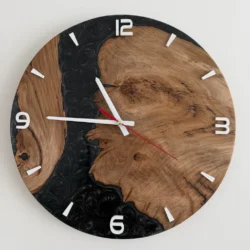
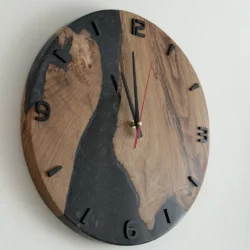
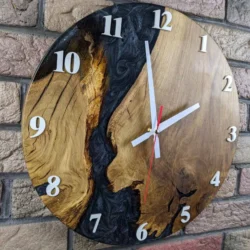
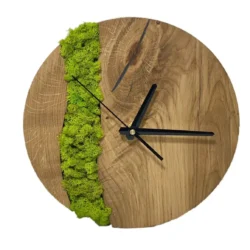
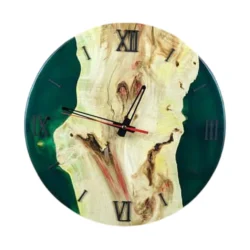
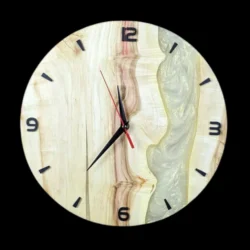
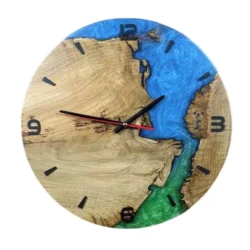
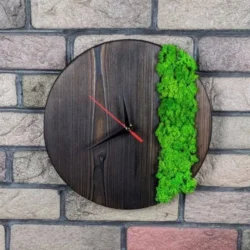
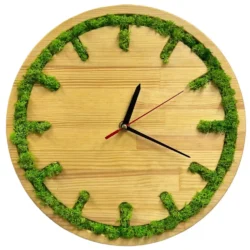
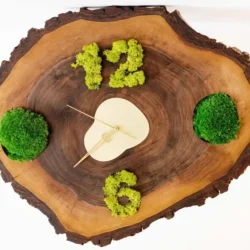
Handcrafted Wooden Wall Clocks with Natural Moss Inlays
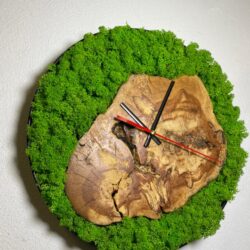
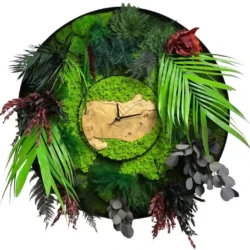
Transform your interior with a functional art piece that unites timeless craftsmanship and living nature. At Ekomoss, each wooden wall clock is meticulously shaped by hand in our studio, combining premium solid wood with rich, vibrant preserved moss inlays. Whether you are searching for a striking large wooden wall clock to serve as a centerpiece in your living room or a refined modern wall clock for a quiet home office, our collection offers unparalleled aesthetic warmth, rustic charm, and biophilic sophistication to elevate your overall home decor.
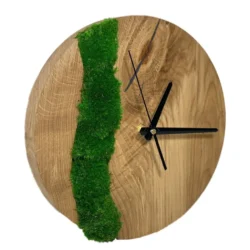
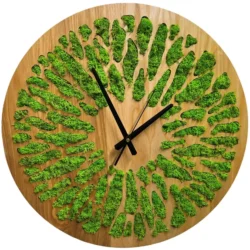
Every wooden clock in our collection is crafted from sustainably sourced hardwood—including solid ash, oak, and maple. Instead of generic plastic or mass-produced veneers, we handcraft each analog timepiece to celebrate the authentic grain, organic texture, and natural charm of real wood. Each clock is completely unique, ensuring that no two pieces share identical wood rings or moss topography. When you shop our catalog, you invest in an enduring decorative piece that brings organic greenery and serene modern style to any wall space at a competitive workshop price.
Silent Quartz Precision Meets Biophilic Solid Wood Design
A wall clock should enhance your sanctuary, not disrupt it with irritating noise. That is why every Ekomoss handmade wooden wall clock is fitted with a premium, continuous-sweep silent quartz movement. You will never hear an annoying tick in your bedroom, study, or kitchen. Operating smoothly on standard AA battery-operated mechanisms, our timepieces provide absolute precision timekeeping with zero audible distraction.
Our clocks range from versatile 30 cm (12-inch) and 40 cm (16-inch) formats up to impressive large wall clocks of 50 cm (20 inches) in diameter. Every design detail is carefully considered: the dial incorporates clean minimalist markers or classic numeral details, seamlessly recessed into sculptural channels cushioned with 100% natural Scandinavian reindeer moss and velvety bun moss for distinctive natural decor.
100% Maintenance-Free Preserved Moss & Heirloom Craftsmanship
The lush green moss embedded in each wood wall clock is permanently preserved using an eco-friendly mineral glycerin solution. It requires zero watering, zero sunlight, and zero gardening care. It retains its soft tactile texture and vivid green color for 5 to 10+ years without fading or drying out.
| Technical Specification |
Standard Ekomoss Craftsmanship |
| Dial Diameters |
Available in 30 cm (12"), 40 cm (16"), and large 50 cm (20") formats |
| Wood Species |
Solid natural Ash, European Oak, and select Hardwood with protective oil finish |
| Movement Mechanism |
Continuous-sweep silent quartz movement (100% noiseless, no audible tick) |
| Power Supply |
Single standard AA battery-operated mechanism (low energy consumption) |
| Moss Filling |
100% natural preserved Reindeer Moss and Bun Moss (0% maintenance, no water needed) |
| US Shipping & Guarantee |
Free insured shipping across the United States; delivered in 10–30 business days in custom reinforced packaging |
A Meaningful Gift & Statement Accent for Any Home
Looking for a memorable gift for a wedding, anniversary, or housewarming? A handmade wood wall clock with preserved moss makes an unforgettable statement. Each clock arrives fully assembled, carefully calibrated, and ready to hang with heavy-duty mounting hardware pre-installed on the back. Experience the perfect harmony of natural wood, timeless functionality, and lush biophilic art in your home today.