Coconut Decor with Moss & Coconut Shell Planters
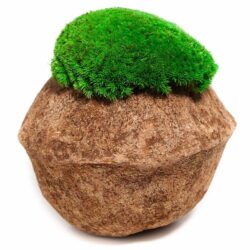
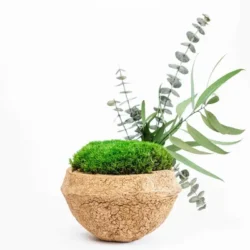
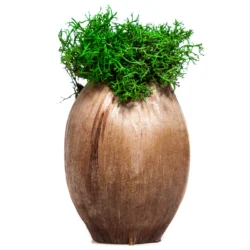
Celebrate organic bohemian charm and sustainable tropical craftsmanship with our artisanal coconut shell planter collection embellished with genuine preserved moss. Hand-carved from reclaimed natural coconut shells, each vessel transforms natural tropical agricultural coir and shells into an eco-friendly botanical art object. Whether styled as an earthy tabletop bowl on a coffee table, mounted as creative wall art, suspended as an eye-catching rustic wall hanging decor piece, or perched on a bookshelf, our coconut home decor bridges zero-waste circular design with European botanical craft.
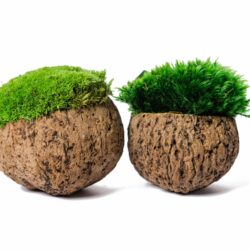
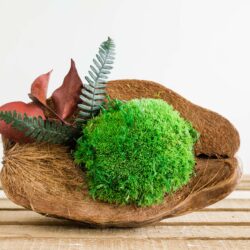
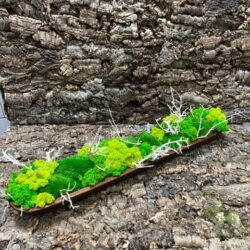
Every product in our decorative coconut shell collection is handcrafted in Europe from authentic upcycled tropical coconuts. After halving and cleaning the fibrous exterior, our artisans handcraft and polish each round coconut shell to reveal organic detail, warm brown grain, and fibrous texture. Our artisans carve and sand each natural material to perfection. Inside, the shell is arranged with natural preserved Scandinavian reindeer moss, bun moss, and accents of succulent foliage. Botanical elements are naturally preserved using a biodegradable glycerin solution, maintaining lush green color and vitality for years without water or soil.
Handmade Coconut Shell Planters & Hanging Planter Vessels
Our assortment of coconut shell planters provides versatile decoration possibilities to decorate modern bohemian interiors and minimalist urban spaces. Each natural coconut shell bowl offers distinctive organic character:
- Handmade Coconut Shell Planter Bowls: Free-standing tabletop vessels measuring 12 to 15 cm (5 to 6 in) across, stabilized with a carved wooden ring base—ideal for desk or shelf display.
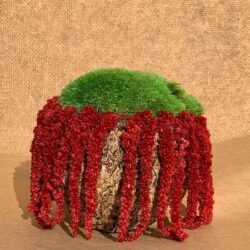
- Artisanal Coconut Shell Plant Hanger Accents: Suspended with natural jute rope, creating a striking hanging planter that introduces vertical greenery to corners.
- Multi-Botanical Centerpiece Arrangements: Rich arrangements blending emerald lichen and dark forest moss inside a polished coconut vessel to form a captivating table centerpiece.
- Zero-Waste Eco Holders: Sustainable containers that double as a candle holder or dry accessory dish, honoring an eco philosophy of mindful living.
Zero Maintenance: The Preserved Moss Advantage Over Living Plants
While many attempt a diy coconut shell craft or try to grow indoor houseplants in a garden plant pot inside a coconut shell, living plants often struggle without drainage. In contrast, our preserved moss coconut decor requires zero water, misting, soil, or sunlight.
Because moss is completely preserved, there is never water leakage or messy dirt. You can safely position your coconut shell planter on fine credenzas without coasters. Preserved lichen also possesses antistatic properties that repel household dust, ensuring your arrangement stays vibrant year after year.
Sustainable Bohemian Decor & European Artisan Craft
Whether styling a tropical living room or looking for a sustainable gift idea, our coconut decor offers timeless appeal. Every shell is unique in shape and markings, ensuring no two arrangements are identical.
All items are packaged in protective cartons and shipped directly from our European studios to US addresses within 10 to 30 business days with free delivery. Explore our coconut decor with moss collection today to welcome tropical warmth into your home decor.