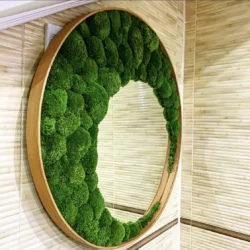
Framed Moss Mirrors & Wood Frame Mirror Wall Art
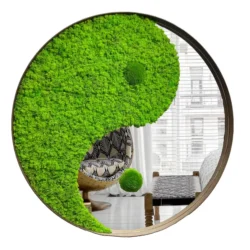
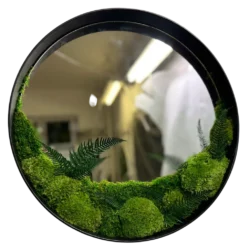
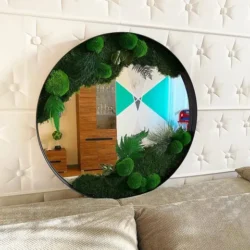
Infuse your living space with organic elegance and artisanal distinction through our handcrafted framed wall mirror collection accented with preserved moss. A custom framed mirror and decorative wall mirror serves as a focal point: by amplifying natural light and adding depth, it transforms wall decor to enhance home decor and mirror decor. Whether positioned over an entryway console, mounted as a statement piece in living rooms, or featured as a vanity mirror, our collection of mirrors with frames bridges functional reflection and botanical art, offering timeless style.
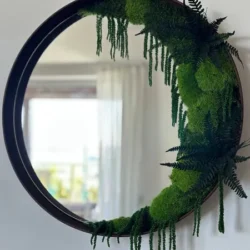
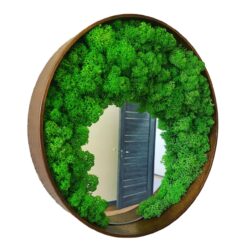
Every wood frame mirror is artisan-crafted in Europe using premium quality mirrors and sustainably harvested timber. Master craftsmen build each hand-finished frame—available in rich European oak, natural ash, and warm walnut wood tone profiles with a solid wood border—before embedding preserved reindeer lichen, bun moss, and sheet moss. Unlike mass-produced plastic trims, hollow manufactured wood mouldings, or temporary rattan accents, our botanical greenery retains its vibrant color and plush softness for years without water, misting, soil, or sunlight exposure indoors.
Handcrafted Wood Framed Mirrors with Preserved Forest Greenery
Our expansive wood mirror collection offers an extraordinary range of architectural silhouettes to suit contemporary design, transitional, and rustic mirrors alike. Whether seeking minimalist simplicity or an ornate wall accent, explore our curated profiles:
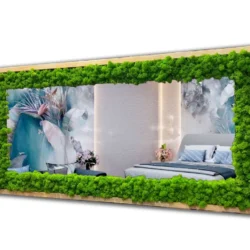
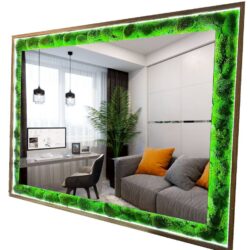
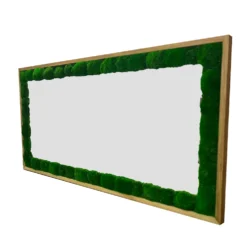
- Rectangular Wood Framed Mirrors: Classic rectangular wall formats and rectangle mirrors in any size, engineered with a balanced frame width and depth, making them ideal above a sofa, dining buffet, or bedroom dresser.
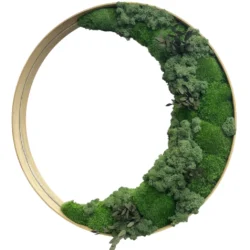
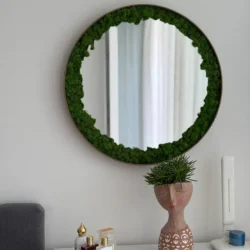
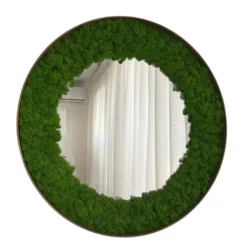
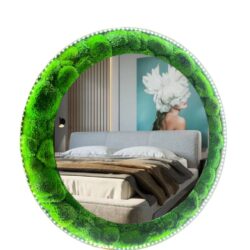
- Round Wooden & Oval Silhouettes: Softening interior angles, our round mirror and round wall frame designs blend natural wood grain with emerald moss contours.
- Architectural Arch Mirror & Asymmetrical Accents: Curved lines, arch silhouettes, and chic asymmetrical geometries for unique mirrors and stylish mirror frames.
- Luxe Metal & Wood Combinations: Select styles combine a metal frame in antique silver, black metal, or gold leaf with an inner rustic wood reveal, uniting contemporary sleek design with biophilic warmth.
Decorative Wall Mirror Designs for Entryway & Bathroom Vanity
A framed bathroom mirrors selection must withstand environmental moisture while delivering aesthetic beauty. Our glass mirror panels feature high-quality glass reflection surfaces, available with a flat edge or beveled glass surface. Sealed with protective backings, these mirrors are rated for damp locations, making them reliable when installed as a bathroom mirror above a bathroom vanity.
In addition to standard wall mounted and wall-mounted designs, our large wall models can be styled as a leaner mirror in a primary suite or dressing room, offering full length reflection and superior functionality. These decorative mirrors elevate any room.
Versatile Framed Wall Mirror Dimensions & Flexible Mounting
Every room presents unique requirements. That is why our framed wall mirror pieces come equipped with steel hanging hardware securely recessed into the wooden frame for straightforward installation. This enables you to hang each rectangular shape vertically or horizontally depending on your wall space.
Each unit is easy to install on drywall anchors or wall studs. From rustic farmhouse retreats to sleek penthouses, our wood wall mirror line provides the perfect synthesis of European craftsmanship and maintenance-free nature.