







Showing 1–16 of 137 resultsSorted by popularity

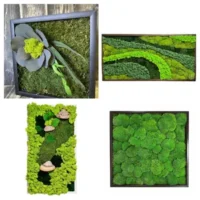
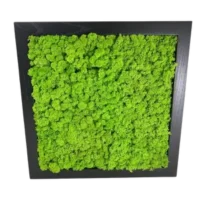

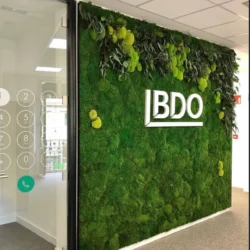
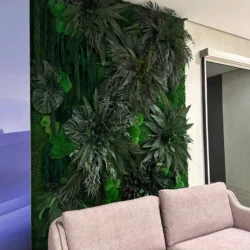
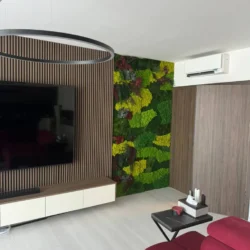
Plant Wall Price Calculator
Original price was: 1.00 $.0.95 $Current price is: 0.95 $. Exc. Tax

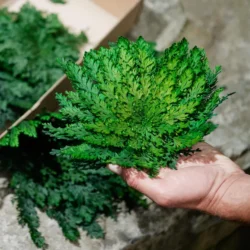
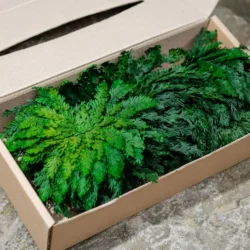
Preserved Plant Rose of Jericho – Decoration
Original price was: 191.84 $.144.00 $Current price is: 144.00 $. Exc. Tax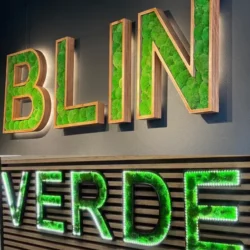
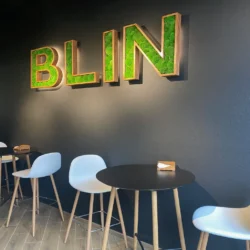
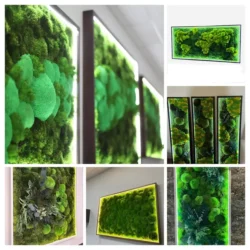


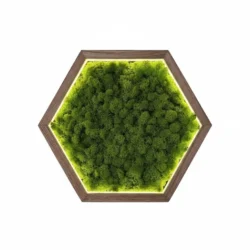
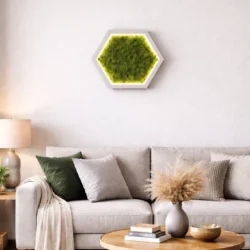
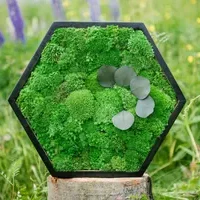
Hexagon LED Wall Art Made of Iceland Moss
Price range: 345.60 $ through 1987.20 $ Exc. Tax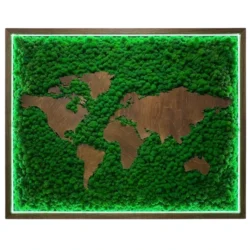
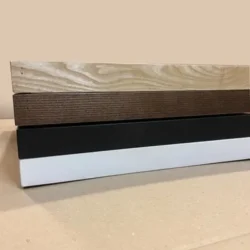
Exclusive world map made of Icelandic moss with wooden continents & LED frame
Price range: 403.20 $ through 2520.00 $ Exc. Tax
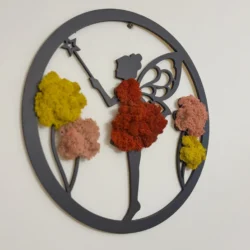
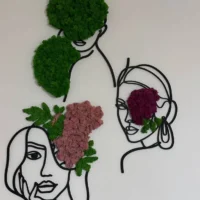
Moss Wall Art “Magical Fairy”
Price range: 115.20 $ through 720.00 $ Exc. Tax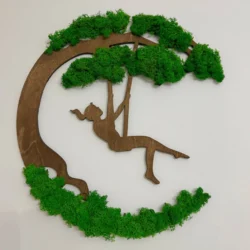
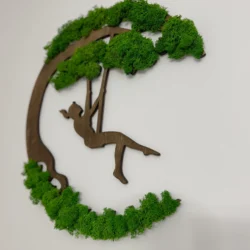
Moss Art Silhouette: Girl on a Swing – Moss Wall Art
Price range: 115.20 $ through 720.00 $ Exc. Tax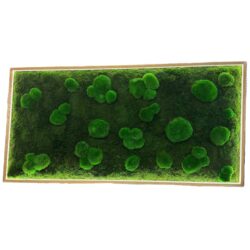
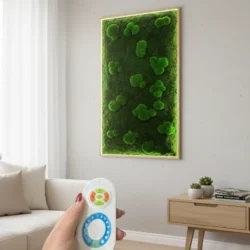
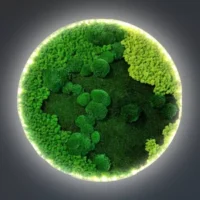
LED Moss Picture – Mix of Ball Moss & Flat Moss
Price range: 403.20 $ through 2419.20 $ Exc. Tax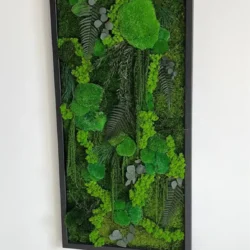
Moss Picture “Jungle Cascade” – Plants Edition
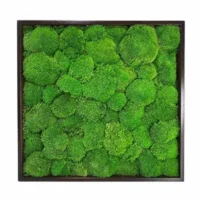
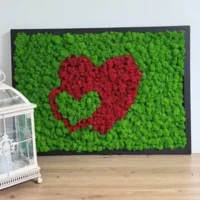
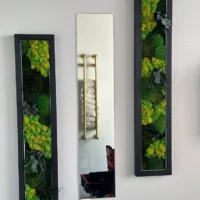
Price range: 259.20 $ through 2419.20 $ Exc. TaxMoss wall art is a framed panel filled with preserved plants and hung like a painting. Our moss wall art is made by hand in shapes that suit different walls — round, rectangular, hexagon, and sets that work as one composition — and every one of them is built from material that grew before it was harvested.
The practical difference from a houseplant is total. There is nothing to water, nothing to move towards the light, nothing to repot and nothing that dies while you are on holiday. The practical difference from a print is that the surface has real depth: light falls across it differently through the day, and it changes with the angle you view it from.
Preserved Moss Wall Art: Not Living, Not Plastic
Every piece of moss wall art here is made from preserved moss. Harvested plants are treated with a plant-based glycerin solution that replaces the sap, holding the tissue soft and the colour stable. Biological activity stops; the physical material remains.
This puts our work between two things it is often confused with. Living wall art uses plants that are still growing and needs irrigation, lighting and servicing. Artificial greenery is moulded plastic, and it announces itself the moment anyone stands close, because plastic cannot reproduce the tonal variation across a natural surface or the way fine fibres catch light.
Preserved work sits closer to the living version in appearance and closer to the artificial one in convenience. Which is the entire commercial argument for the category.
Choosing a Moss Wall Art Shape
Shape is the first decision, and it should follow the wall rather than personal preference.
| Format | Works on | Notes |
|---|---|---|
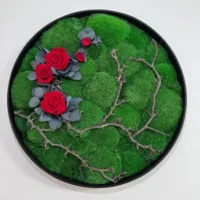
| Round | Narrow walls, above consoles, between doors | Softens rooms full of straight lines; needs clear space around it |
| Rectangular & square | Above sofas, beds, sideboards | Horizontal formats suit wide furniture; squares suit narrow chimney breasts |
| Hexagon | Anywhere you want to build up gradually | Modular — start with three, add more later |
| Large & XXL | Stairwells, lobbies, double-height walls | One large piece reads better than several small ones on a big wall |
| Sets | Long walls and gallery arrangements | Compositions designed together rather than assembled from separates |
A rule that saves people from the commonest mistake: a piece should span roughly two-thirds the width of the furniture beneath it. Smaller than that and it floats; wider and it overwhelms.
The Moss and Plants We Use
Texture, not colour, is what distinguishes one moss panel from another.
- Reindeer lichen — springy and branching, with an even surface that suits large areas. See reindeer and Iceland lichen pieces.
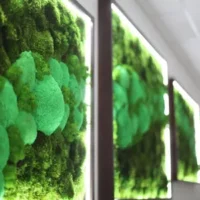
- Bun — domed mounds with real relief, used where a panel needs shadow and depth. See bun pieces.
- Flat and sheet species — dense and low, usually as a calm background for other textures.
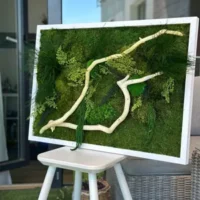
- Preserved plants — ferns, eucalyptus, amaranth, grasses. See preserved plant wall art.
- Preserved flowers — roses and dried blooms worked into the composition. See flower pieces.
Most panels combine two or three of these. A single texture across a large surface reads flat; three or more competing textures read as clutter.
Frames and Depth
Moss wall art frames are solid oak and ash, finished to show the grain rather than hide it. Depth matters more than width here — the frame has to be deep enough to hold the material without compressing it, which is why a moss panel frame is not the same object as a picture frame of the same outside dimensions.
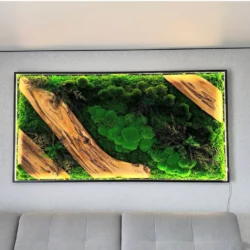
Some pieces are frameless, with the material worked to the edge of the backing board. Those read as more contemporary and sit flatter against the wall. Wood-and-plant combinations, where driftwood and bark form part of the composition itself, are in moss wall art with wood.
Lighting Makes the Difference
Moss wall art lives or dies by its lighting. A panel lit flatly from the front loses most of its depth; the same panel lit from above or at an angle throws shadow into every recess and gains it back.
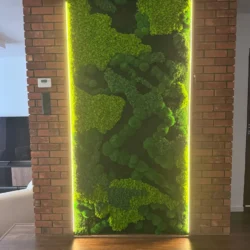
Pieces with LED lighting built into the frame solve this permanently — see moss wall art with lights. Otherwise, a downlight or picture light angled across the surface does the same job for the cost of a bulb.
Where Moss Wall Art Works Best
In homes: above a sofa or bed, along a hallway, in a stairwell where a real plant would be impossible to reach, or in a home office that appears on video calls all day.
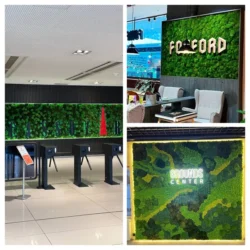
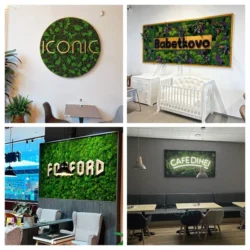
In commercial spaces the reasoning is different. Offices, clinics, restaurants and salons choose preserved work because it needs no service contract, no watering rota and no replacement schedule. It also survives being ignored, which is the realistic condition of any plant in a workplace.
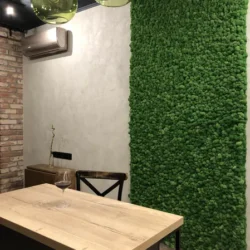
For whole surfaces rather than individual pieces, moss wall panels cover the wall itself.
Hanging It Properly
- Find the centre of your wall or of the furniture below, and mark it.
- Set the middle of the piece at eye level — around 145–150 cm from the floor for a standing viewer, lower in a room where people are usually seated.
- Mark and drill for the fixings supplied. Panels are light, so standard plugs hold in plasterboard.
- Hang it, step back to the far side of the room, and check it by eye. Rooms are rarely as level as tape measures assume.
Care and Lifespan
Indoors, moss wall art keeps its appearance for 7 to 10 years. There is no watering, misting, feeding or pruning at any point.
What shortens it: direct sunlight, which fades colour and hits dyed shades hardest; sustained damp, which softens the material; and handling, which wears the surface. Hang pieces away from south-facing glass and above hand height in corridors.
For dust, use a cool hairdryer on the lowest setting, held well back. Never vacuum a panel, and never wipe it with a damp cloth.
Moss Wall Art: Frequently Asked Questions
Is it real?
Yes — natural plants and lichen, harvested and then preserved. Not alive, not artificial.
Does it need water or sunlight?
Neither. No roots, no photosynthesis. A windowless room is fine.
How long does it last?
Seven to ten years indoors, longer if it is kept out of direct sun.
Does it cause allergies?
Preserved material does not release pollen and does not host mould the way a watered plant can. People with plant allergies generally do well with it, though nobody should treat that as medical advice.
Can I order a custom size?
Yes. Sizes, shapes and species can all be specified — send the wall dimensions and ideally a photograph.
Is it safe in a bathroom?
In a ventilated bathroom, yes. In a room with constant steam and no extraction, the colour will go over time.
How is it packed for shipping?
Face-protected and boxed rigidly, because compression marks in the material do not always spring back. Free delivery within 5–10 business days.
Building Your Own
If you would rather make something than buy it, we sell preserved moss in bulk, empty frames with the correct depth, and complete kits with material, frame and instructions in one box.