Preserved Moss Bowls & Botanical Centerpieces
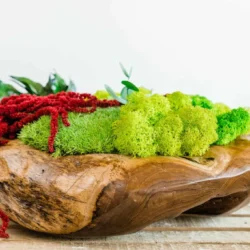
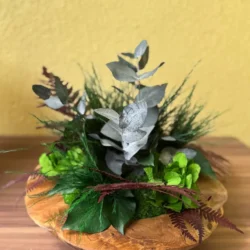
Infuse effortless organic luxury into your living space with our handcrafted moss bowl collection. Each bespoke bowl with preserved moss is an inspired design idea and a masterwork of artisan botanical craft. We carefully handcraft every piece using authentic natural moss, as our master florists arrange dense mounds of velvet-textured cushion moss, vibrant reindeer moss, and forest sheet elements. Whether you want to style an elegant dining table focal point or place a sophisticated tabletop accent as refined coffee table decor, an artisan preserved moss bowl delivers the lush vibrancy of living nature without the daily chore of maintenance. Discover how a single botanical piece can elevate your interior aesthetics and refine your luxury botanical décor and everyday home decor.
Handcrafted Decorative Moss Bowls for Coffee Tables & Entryways
Unlike a fragile living planter that requires regular water, messy soil, and direct sunlight, our preserved botanical creations are 100% maintenance-free. You never have to worry about watering schedules or messy leaks damaging your wooden furniture, allowing you to enjoy vibrant greenery through every seasonal change. Every decorative bowl arrives fully finished and ready for immediate display in your living room, kitchen island, or entryway console. We avoid artificial faux moss and cheap plastic filler, choosing instead to sustainably harvest real forest greenery and preserve it with an eco-friendly vegetable glycerin formula that maintains softness and color depth for years.
- Authentic Botanical Mounding: Densely arranged with genuine green moss and optional preserved succulent elements that create rich topographical depth and tactile organic texture.
- Artisan Vessel Selection: Choose from rustic carved wood bowl designs, authentic handmade vintage-inspired dough bowl silhouettes, minimalist concrete dishes, or modern ceramic vessels.
- Zero Upkeep Lifestyle: No misting, no irrigation, and no pruning needed. Our preserved arrangements thrive in normal indoor conditions without upkeep.
- Versatile Styling Accents: Ranking among our most popular moss centerpieces, it functions beautifully as a standalone moss centerpiece, or paired alongside complementary moss balls.
Elevate Your Dining Table Decor with a Lush Moss Bowl Centerpiece
A sculptural moss bowl centerpiece is one of the most effective interior design ideas to introduce biophilic harmony into contemporary homes and commercial spaces. Ideal for an executive office desk, boutique hotel lobby, or wedding reception, these versatile arrangements bring the calming presence of an indoor garden into your room. Rather than struggling with messy diy moss projects or searching for a complex diy crafts tutorial, you can effortlessly decorate your tabletop with an artisan-finished botanical sculpture.
Every arrangement is individually hand-assembled by skilled floral designers, packed in custom ultra-reinforced packaging, and dispatched with Free Shipping across the United States with a dependable delivery transit time of 10 to 30 business days.