
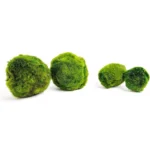
Aquarium Moss Ball – Marimo Ball 1–2 cm (0.4–0.8 in)
Price range: 0.53 $ through 527.84 $ Exc. Tax
Live Marimo Ball 1–2 cm (0.4–0.8 in) for nano tanks and shrimp habitats. Free shipping within 10–30 business days.
Botanical Profile of the Marimo Ball 1–2 cm
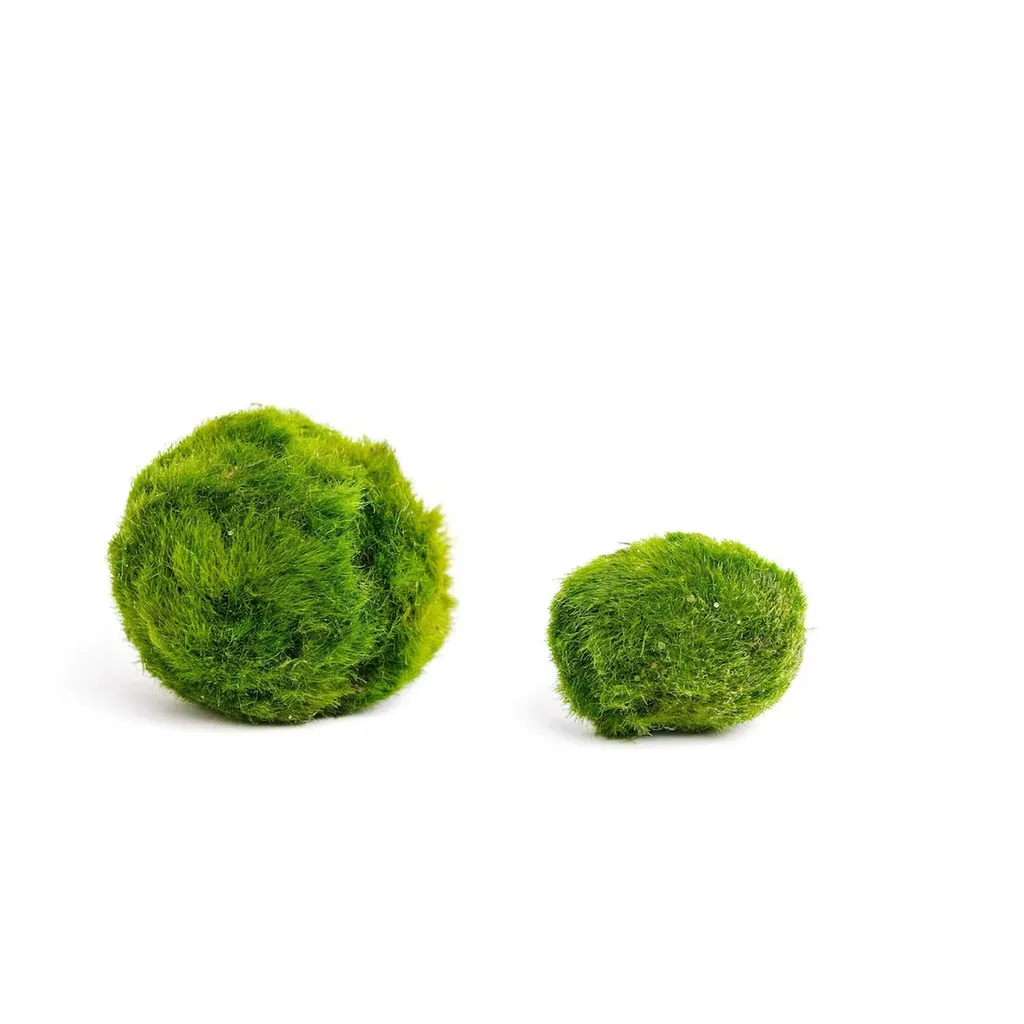
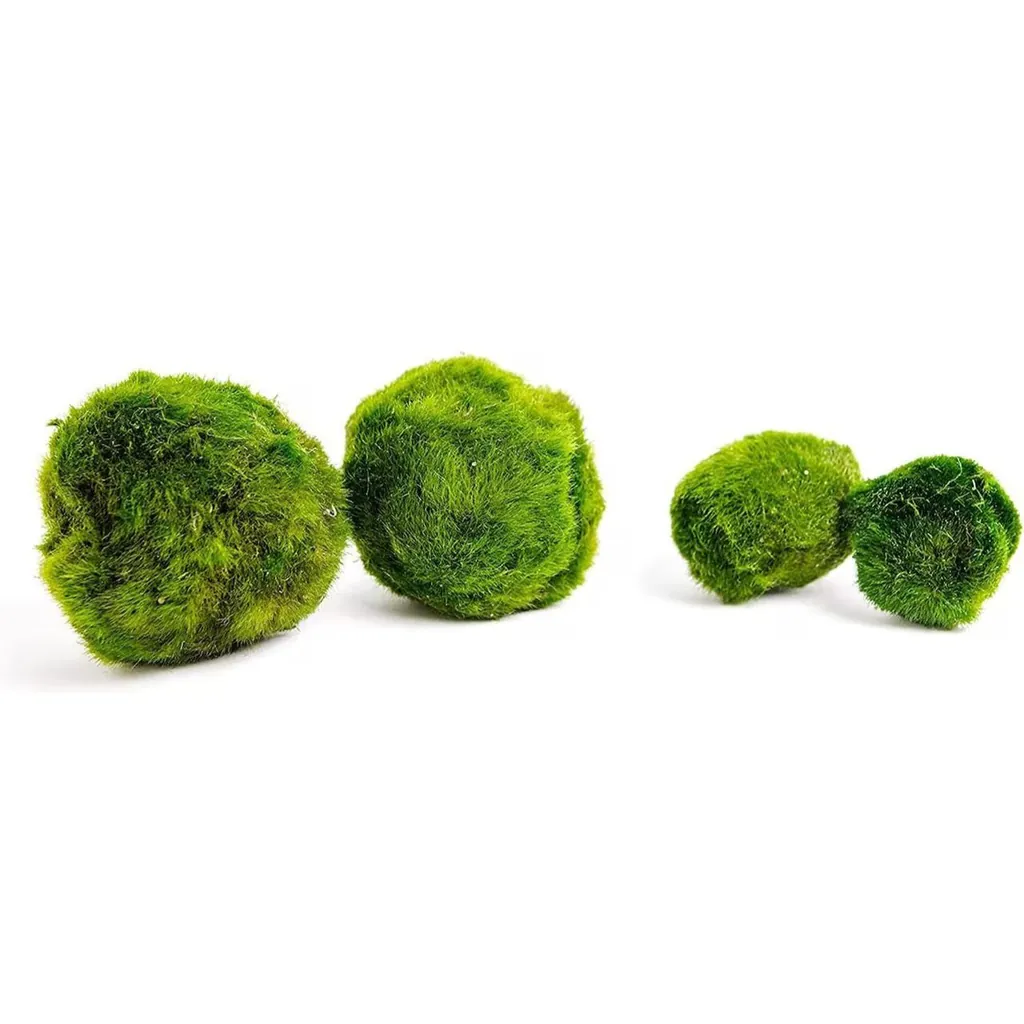
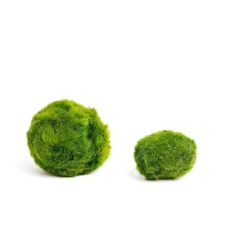
The Marimo Ball 1–2 cm (0.4–0.8 in) is a compact, spherical colony of the freshwater green alga Aegagropila linnaei. Unlike vascular aquatic plants, this organism does not develop roots, stems, or leaves. It forms a dense, radial network of dark green algal filaments that remain unattached to substrate. Gentle underwater currents in native lacustrine habitats roll these loose filaments along lake beds, gradually turning them into uniform spheres.
These specimens are cultivated to maintain a compact diameter between 1 and 2 cm (0.4 and 0.8 in). Their physical structure feels firm and velvety to the touch. Biomass accumulation is exceptionally slow, with diameter expansion averaging 2 to 5 mm (0.08 to 0.20 in) per year under standard conditions. In stable water parameters, individual colonies survive for several decades.
Aquarium Water Quality and Ecosystem Functions
Integrating Aegagropila linnaei into a closed aquatic environment introduces active biological surface area. The dense outer mesh traps micro-particulates from the water column while providing expansive surface volume for colonies of aerobic nitrifying bacteria. These microorganisms assist in breaking down dissolved organic matter, neutralizing ammonia and nitrite spikes.
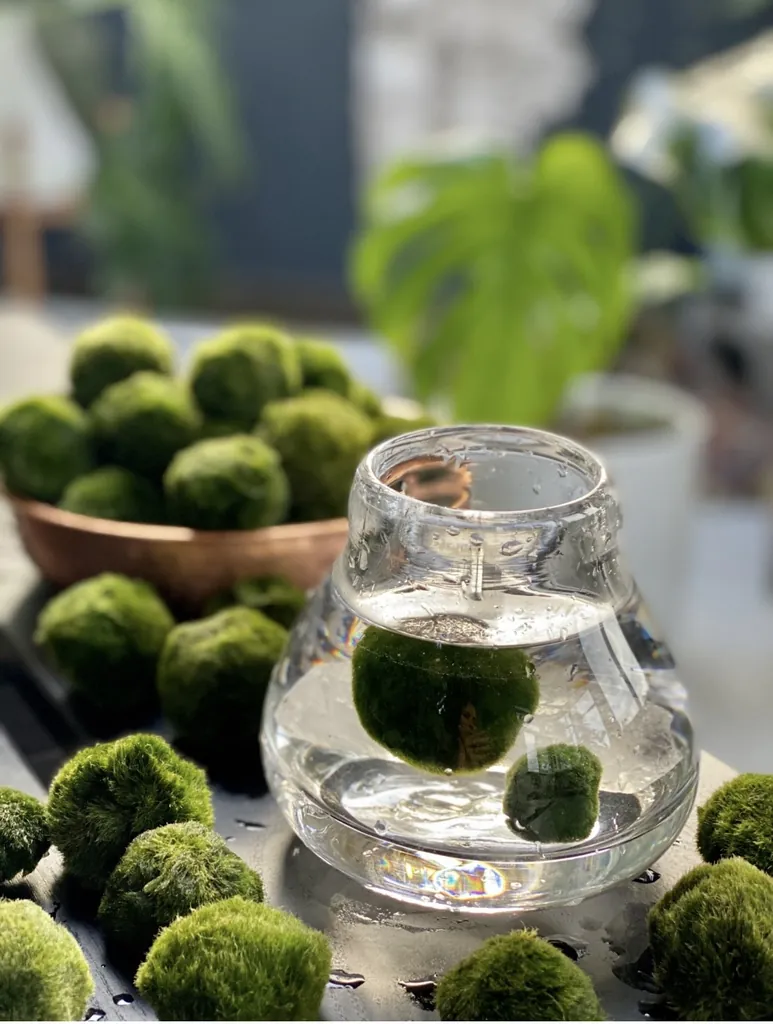
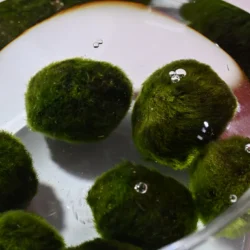
Because the colony conducts photosynthetic activity throughout its exposed exterior, it consumes dissolved nitrates and phosphates directly from the water column. This nutrient absorption limits the compounds available to nuisance filamentous algae. Active daytime photosynthesis produces visible dissolved oxygen, which frequently forms tiny gas bubbles on the green surface before releasing into the water column.
| Parameter | Optimal Value / Range |
|---|---|
| Scientific Name | Aegagropila linnaei |
| Diameter Range | 1–2 cm (0.4–0.8 in) |
| Water Temperature | 5–25 °C (41–77 °F) |
| pH Range | 6.5–8.0 |
| Carbonate Hardness (KH) | 3–12 dKH |
| Lighting Requirement | Low to moderate (subdued) |
| Substrate Attachment | None (free-resting) |
Maintenance and Environmental Requirements
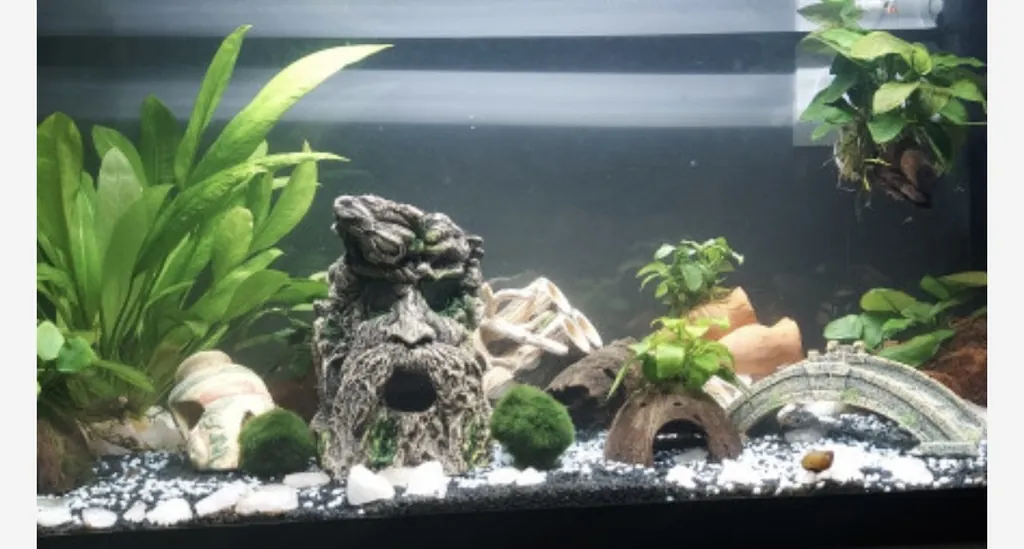
These green algae spheres require minimal physical intervention. Subdued, indirect lighting conditions produce the healthiest growth. High-intensity aquatic lighting and direct solar radiation cause surface bleaching or localized filament necrosis, resulting in pale or brownish patches. Positioning the colony in shaded foreground corners or under taller plant canopies keeps the filaments healthy.
Routine tank maintenance should include gentle rinsing. Remove the ball every two to three weeks during regular water changes, place it in a bowl of extracted aquarium water, and squeeze it gently to expel accumulated debris. Turning or repositioning the ball inside the tank ensures balanced light penetration across all sides, preserving its spherical architecture.
Habitat Applications for Nano Aquariums and Invertebrates
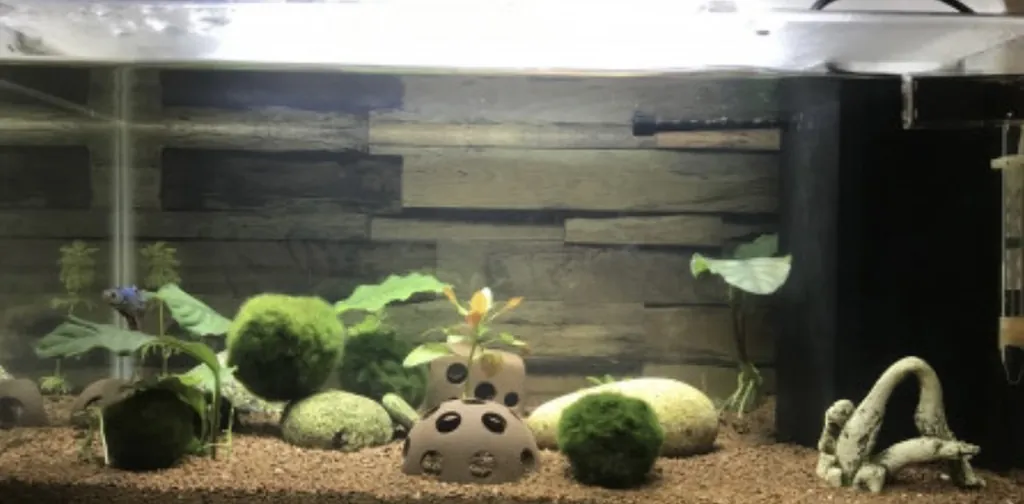
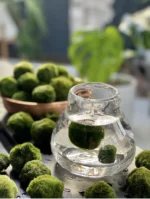
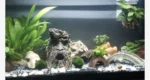
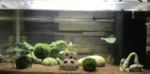
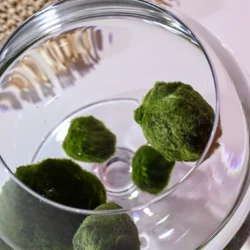
The compact footprint of the 1–2 cm (0.4–0.8 in) size makes it practical for nano tanks, bowl arrangements, and foreground zones of planted aquariums. Freshwater dwarf shrimp such as Neocaridina davidi and Caridina cantonensis constantly graze on the microscopic biofilm adhering to the filaments. The fibrous surface also offers safe harborage for newly hatched shrimp fry and micro-fauna.
- Grazing Area: Provides natural grazing surfaces for ornamental shrimp, ornamental snails, and nanofish.
- Foreground Styling: Lays unanchored on sand, gravel, or smooth river pebbles without root tabs or liquid carbon supplementation.
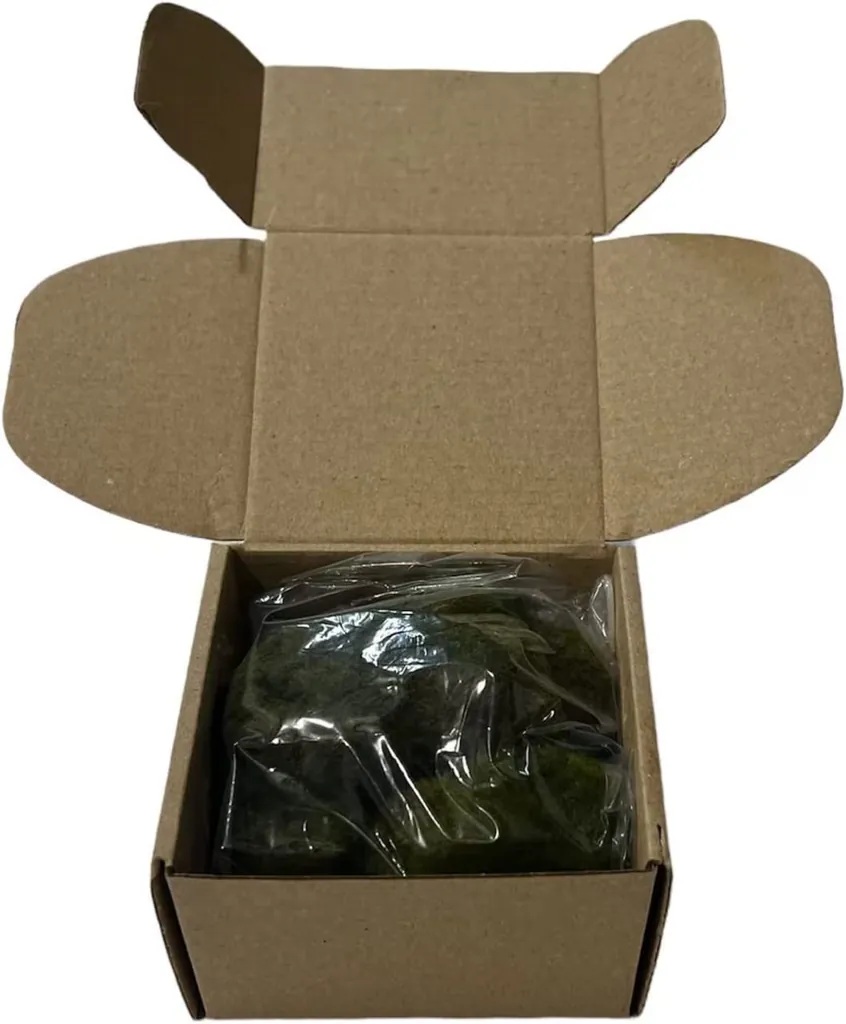
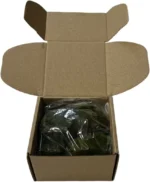
- Packaging: Shipped in moisture-retentive containers to maintain hydration during transit.
- Shipping: Free shipping within 10–30 business days.
| Number of balls | 1 Stk., 10 Stk., 100 Stk., 1000 Stk., 20 Stk., 3 Stk., 5 Stk., 50 Stk., 500 Stk. |
|---|
Related products
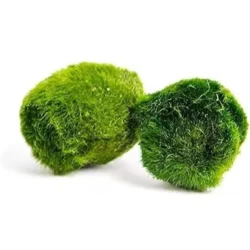
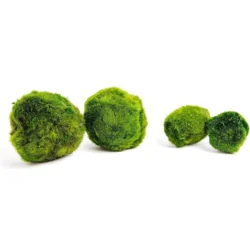
Marimo Moss Ball 2–3 cm (1 in) Aegagropila linnaei
Price range: 0.64 $ through 709.34 $ Exc. Tax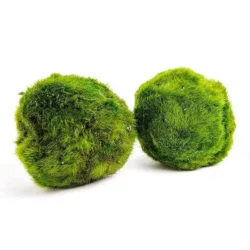

Marimo Moss Ball Aquarium – Aegagropila linnaei 3–4 cm (1.2–1.6 in)
Price range: 17.99 $ through 874.34 $ Exc. Tax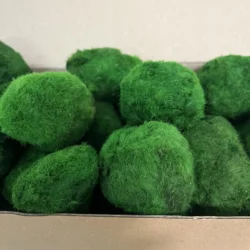
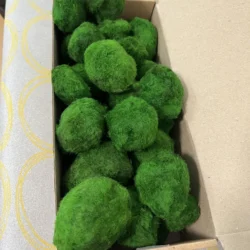
Stabilized Cladophora Moss Balls
Price range: 82.34 $ through 164.84 $ Exc. Tax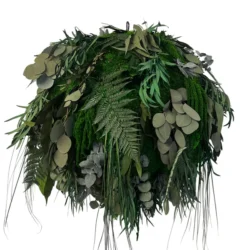
Decorative Plant Sphere
Price range: 461.84 $ through 1864.34 $ Exc. Tax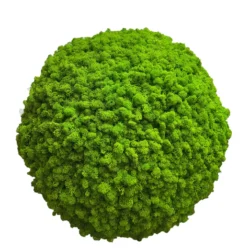
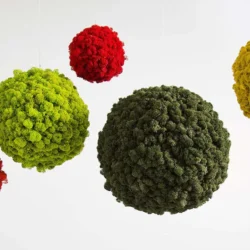
Moss Ball with Reindeer Moss
Price range: 164.84 $ through 1649.84 $ Exc. Tax
XXL Marimo Moss Balls 7-10 cm
Price range: 24.73 $ through 824.84 $ Exc. Tax
Marimo Moss Balls for Aquarium 5–7 cm (2.0–2.8 in)
Price range: 22.75 $ through 329.84 $ Exc. Tax
Reviews
Clear filtersThere are no reviews yet.