
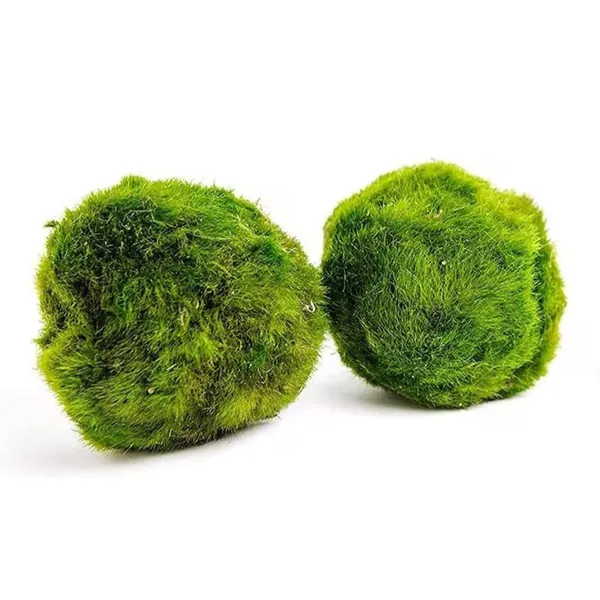
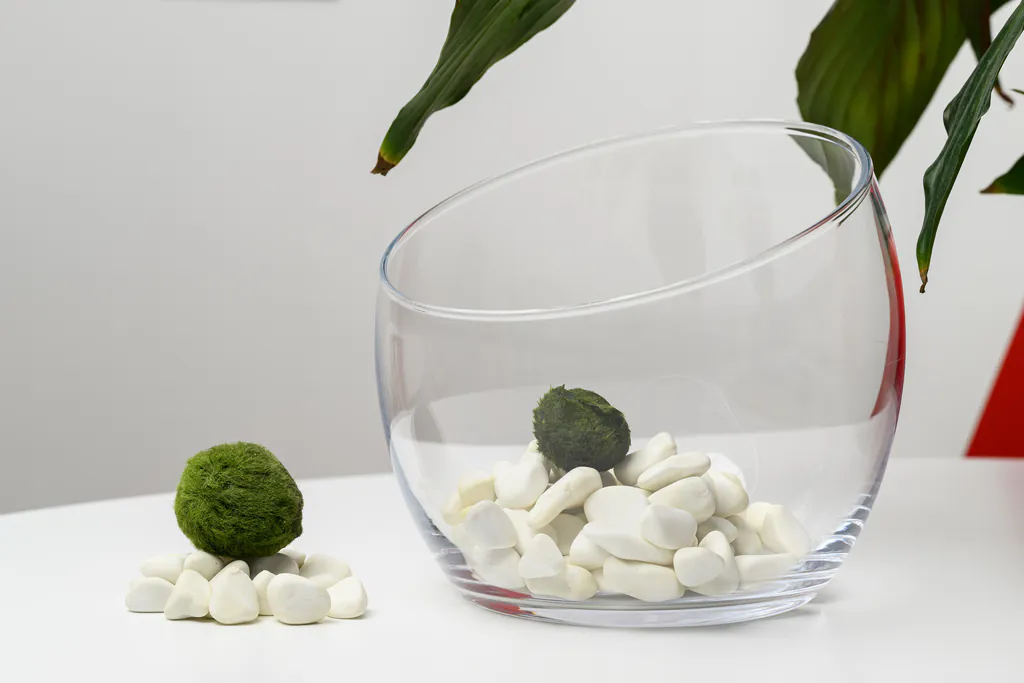
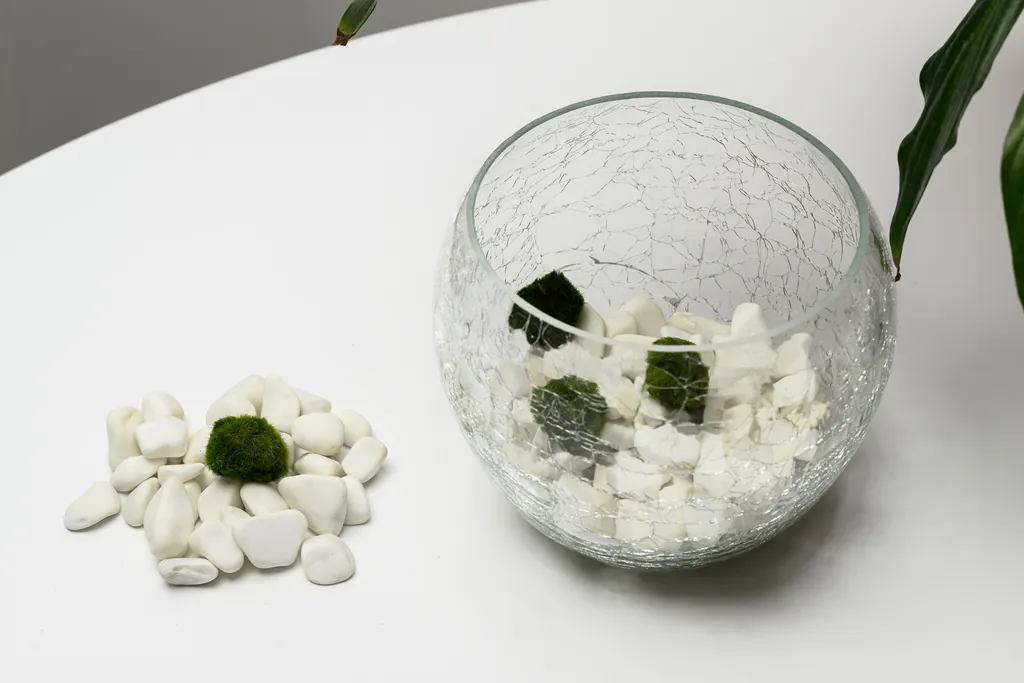
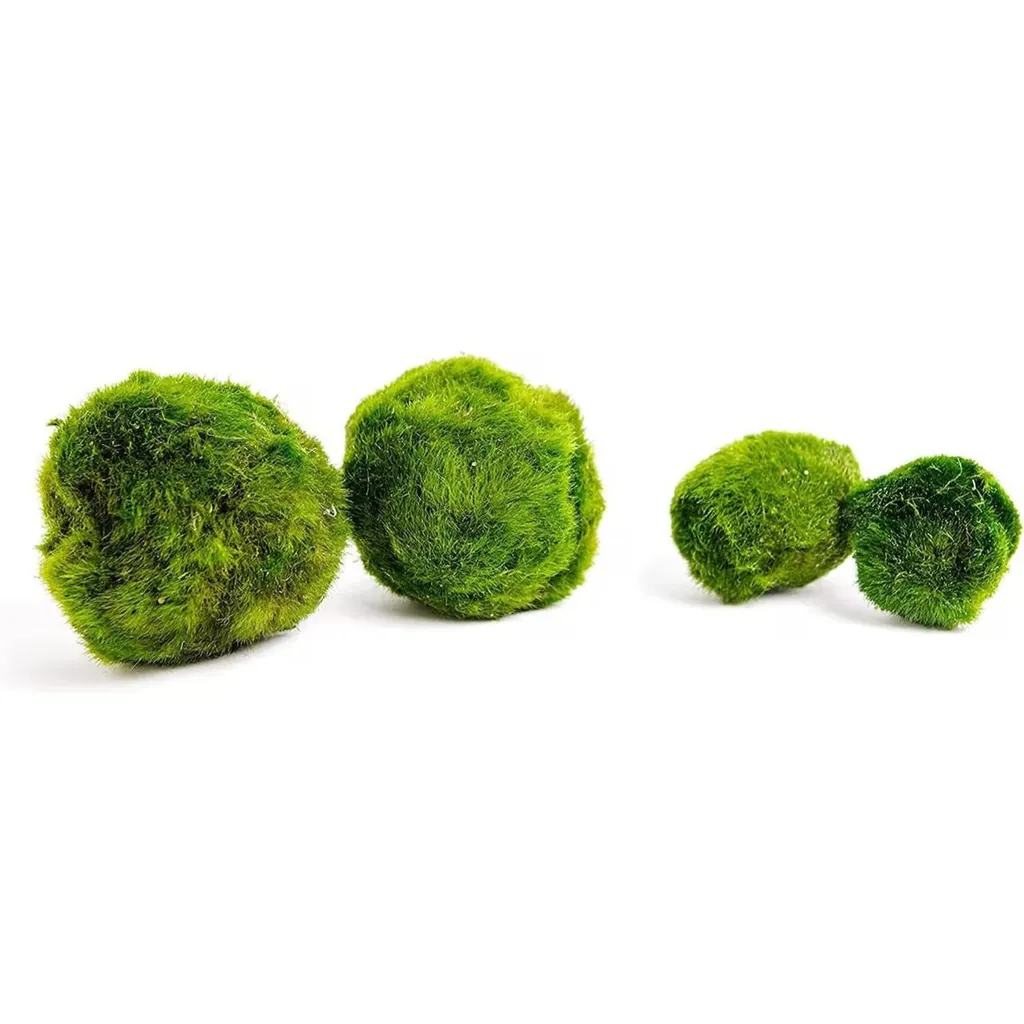
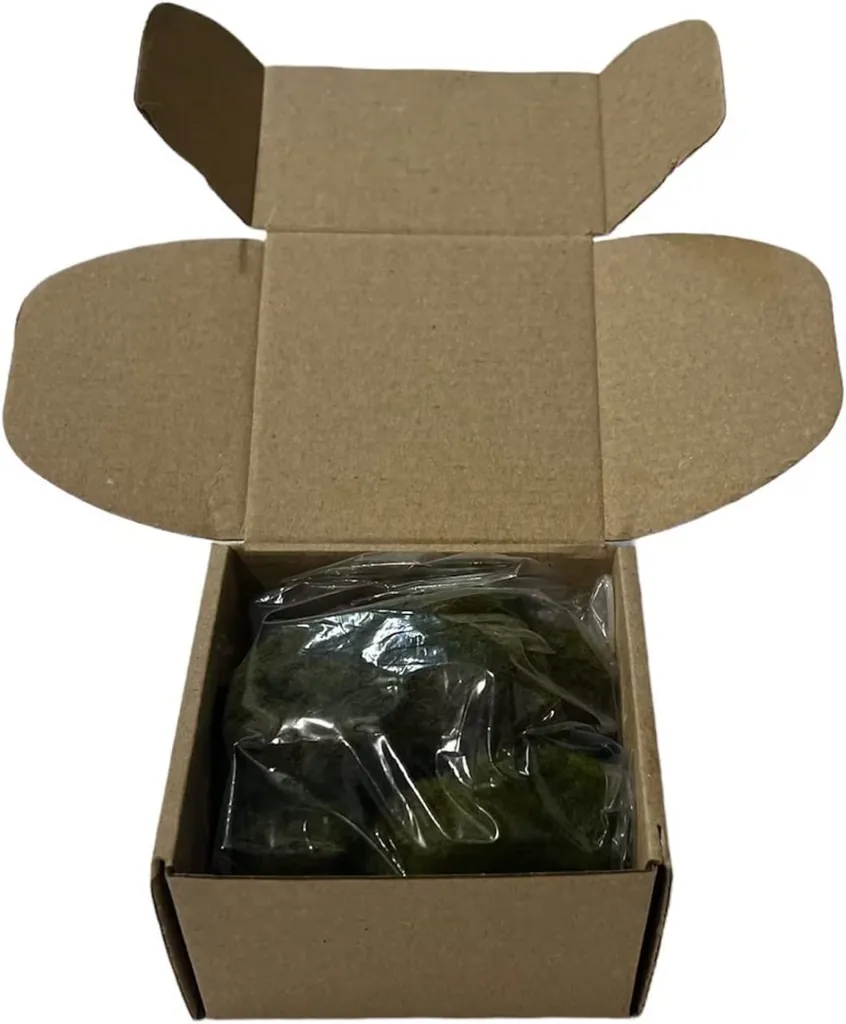
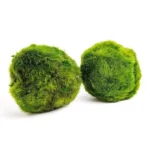

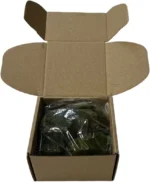
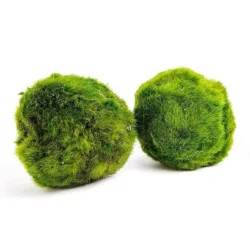
Marimo Moss Ball Aquarium – Aegagropila linnaei 3–4 cm (1.2–1.6 in)
Price range: 17.99 $ through 874.34 $ Exc. Tax
Live Aegagropila linnaei sphere measuring 3–4 cm (1.2–1.6 in) for biological filtration and freshwater invertebrate grazing. Free shipping within 10–30 business days.
Biological Characteristics of the Marimo Moss Ball Aquarium Specimen
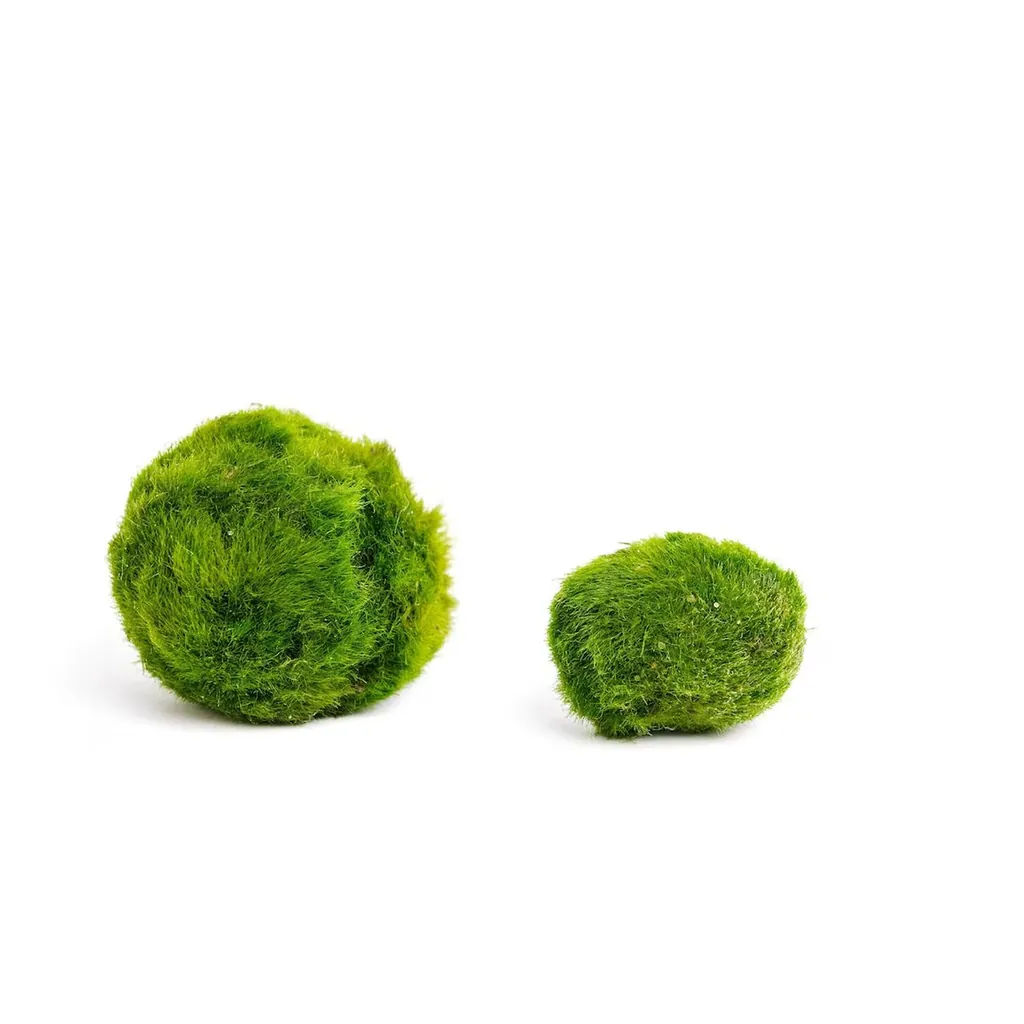
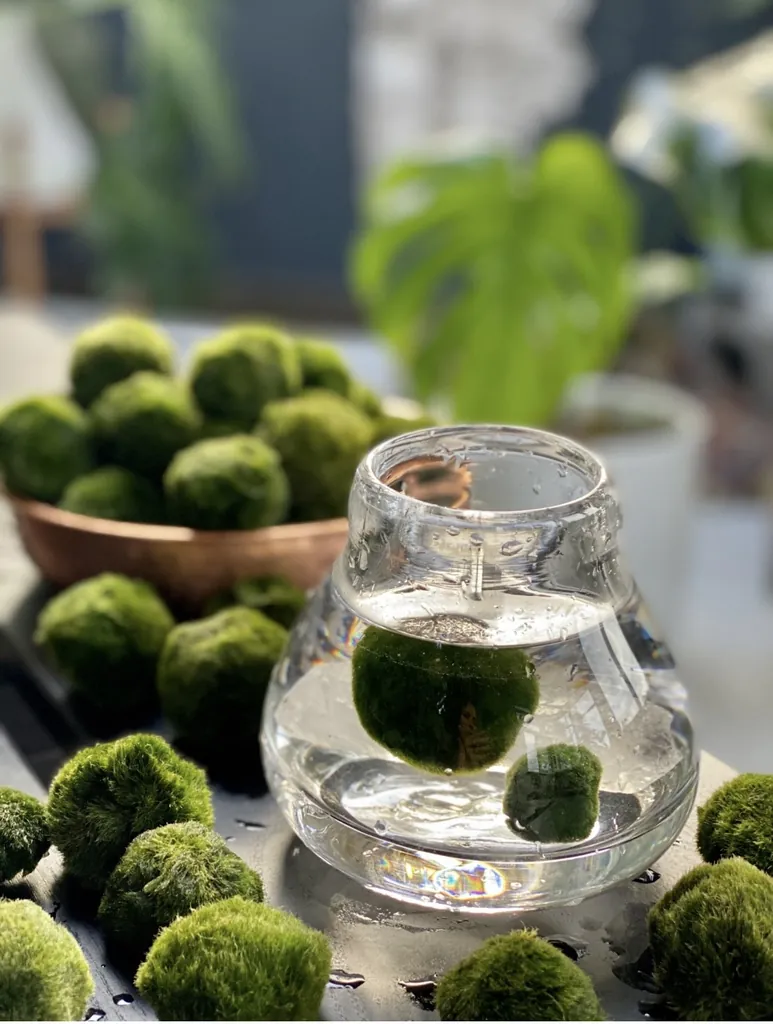
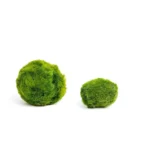
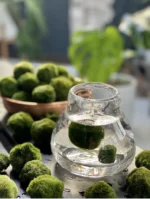
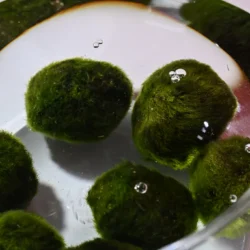
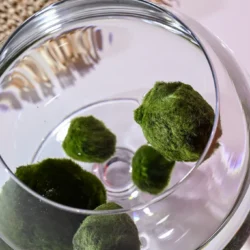
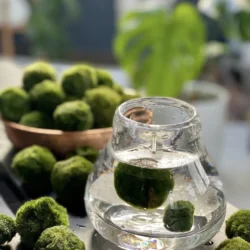
The Marimo moss ball aquarium colony consists of Aegagropila linnaei, a filamentous green chlorophyte that naturally aggregates into a dense, free-floating sphere. This botanical specimen measures between 3–4 cm (1.2–1.6 in) in diameter, displaying a uniform radial growth habit composed of intertwining multicellular strands. Unlike vascular aquatic plants, the ball lacks a root system, vascular tissues, and true foliage. Instead, individual filaments radiate outward from an unattached core, absorbing water and dissolved minerals across their entire surface area.
In cold, lacustrine habitats, continuous gentle wave action turns the alga across sediment beds, sustaining its spherical geometry and exposing all surfaces to ambient light. Growth remains exceptionally gradual, increasing by approximately 2–5 mm (0.08–0.20 in) per year depending on nutrient concentrations. The ball holds its structural density under immersion, creating a tactile, fibrous body that resists mechanical collapse during handling.
Biofiltration and Nutrient Management in Closed Aquariums
Aegagropila linnaei functions as a biological filter medium within freshwater environments. The extensive network of intertwined filaments provides thousands of microscopic attachment surfaces for aerobic nitrifying bacteria. These biological colonies oxidize ammonium and nitrite into nitrate, assisting mechanical filtration units in stabilizing closed aquatic nitrogen cycles. The macroscopic surface area directly enhances microbial biodiversity without restricting water flow.
Through standard photosynthetic metabolic pathways, the spherical mass consumes dissolved inorganic compounds directly from the water column. It assimilates free nitrates and orthophosphates, limiting nutrient reservoirs that typically fuel opportunistic nuisance algae such as cyanobacteria or hair algae. The dense exterior also intercepts suspended organic particulates, mechanically clearing floating matter as water currents move across the filaments.
Invertebrate Habitat Support and Routine Aquarium Maintenance
The fibrous exterior provides surface microtopography for dwarf shrimp, freshwater snails, and small benthic fauna. Microscopic epiphyte films, microalgae, and bacterial layers continually establish across the outer fibers, supplying continuous grazing material for Neocaridina and Caridina species. In addition, the firm structural body acts as a stable physical retreat for newly hatched invertebrate fry seeking shelter from current turbulence.
Routine care involves moderate physical maintenance to preserve spherical symmetry and clear accumulated detritus. Every 7 to 14 days, remove the ball and gently squeeze it in a container of cool aquarium water to expel trapped debris, then reshape it between the palms before returning it to the tank. Lighting requirements remain low to moderate (0.25 to 0.5 watts per liter); excessive direct exposure triggers surface browning or secondary thread algae growth.
Technical Specifications
| Parameter | Technical Metric |
|---|---|
| Botanical Name | Aegagropila linnaei (syn. Cladophora aegagropila) |
| Diameter | 3–4 cm (1.2–1.6 in) |
| Optimal Water Temperature | 15–24°C (59–75°F) |
| Tolerated pH Range | 6.5–7.8 |
| Lighting Demand | Low to moderate (indirect lighting preferred) |
| Placement | Substrate surface, freely movable |
Key Care and Handling Practices
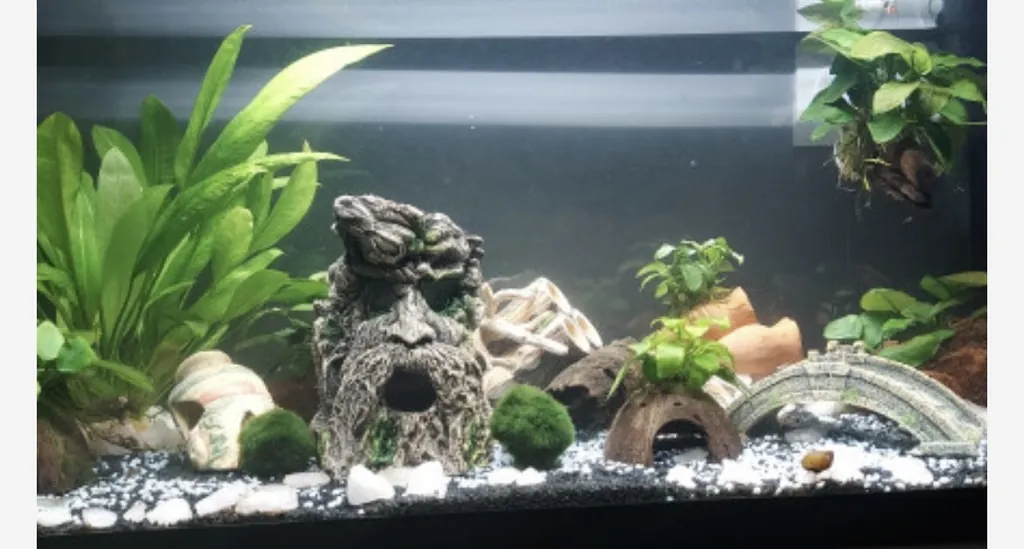
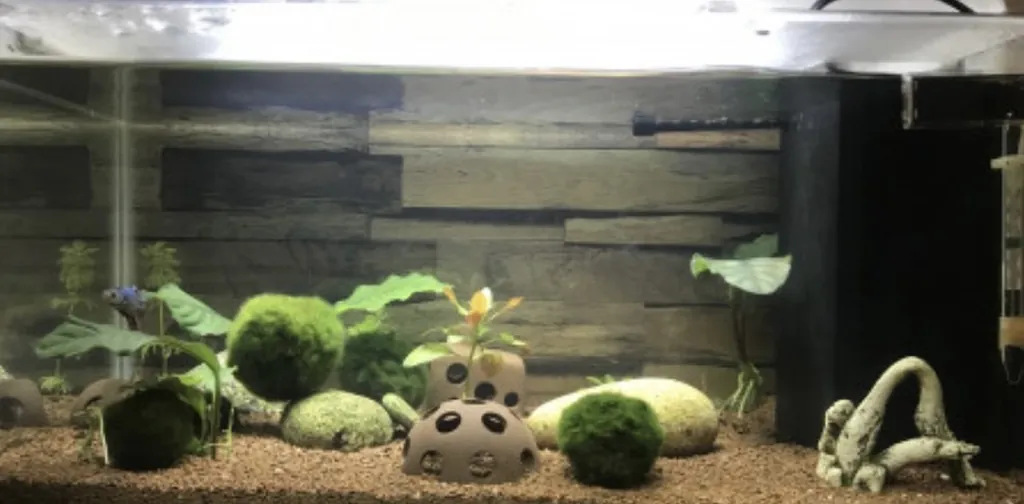
- Substrate contact: Position directly on sand, gravel, or smooth rocks without adhesive or anchoring thread.
- Periodic inversion: Rotate the sphere weekly to ensure uniform lighting over all outer surfaces.
- Temperature control: Keep water below 25°C (77°F); elevated temperatures degrade filament integrity.
- Water agitation: Moderate flow prevents stagnant detritus accumulation on upper filaments.
| Number of balls | 1 Stk., 10 Stk., 100 Stk., 1000 Stk., 20 Stk., 3 Stk., 5 Stk., 50 Stk., 500 Stk. |
|---|
Related products
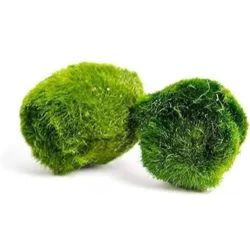
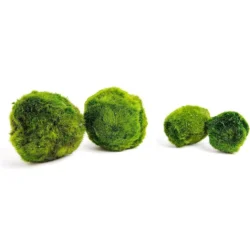
Marimo Moss Ball 2–3 cm (1 in) Aegagropila linnaei
Price range: 0.64 $ through 709.34 $ Exc. Tax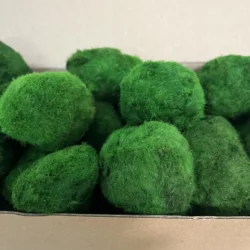

Stabilized Cladophora Moss Balls
Price range: 82.34 $ through 164.84 $ Exc. Tax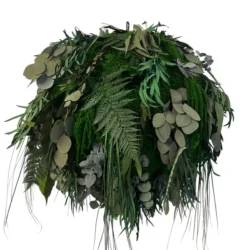
Decorative Plant Sphere
Price range: 461.84 $ through 1864.34 $ Exc. Tax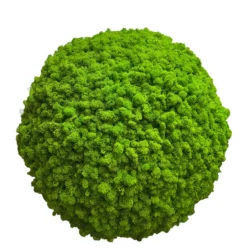
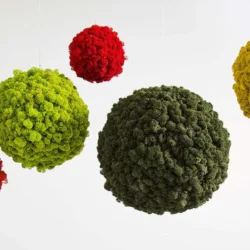
Moss Ball with Reindeer Moss
Price range: 164.84 $ through 1649.84 $ Exc. Tax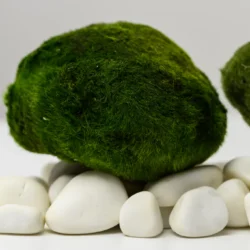
XXL Marimo Moss Balls 7-10 cm
Price range: 24.73 $ through 824.84 $ Exc. Tax
Marimo Moss Balls for Aquarium 5–7 cm (2.0–2.8 in)
Price range: 22.75 $ through 329.84 $ Exc. Tax
Marimo Moss Ball – Aquarium Moss Ball 4–5 cm (1.6–2.0 in)
Price range: 20.63 $ through 1237.34 $ Exc. Tax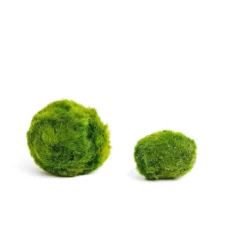
Reviews
Clear filtersThere are no reviews yet.