
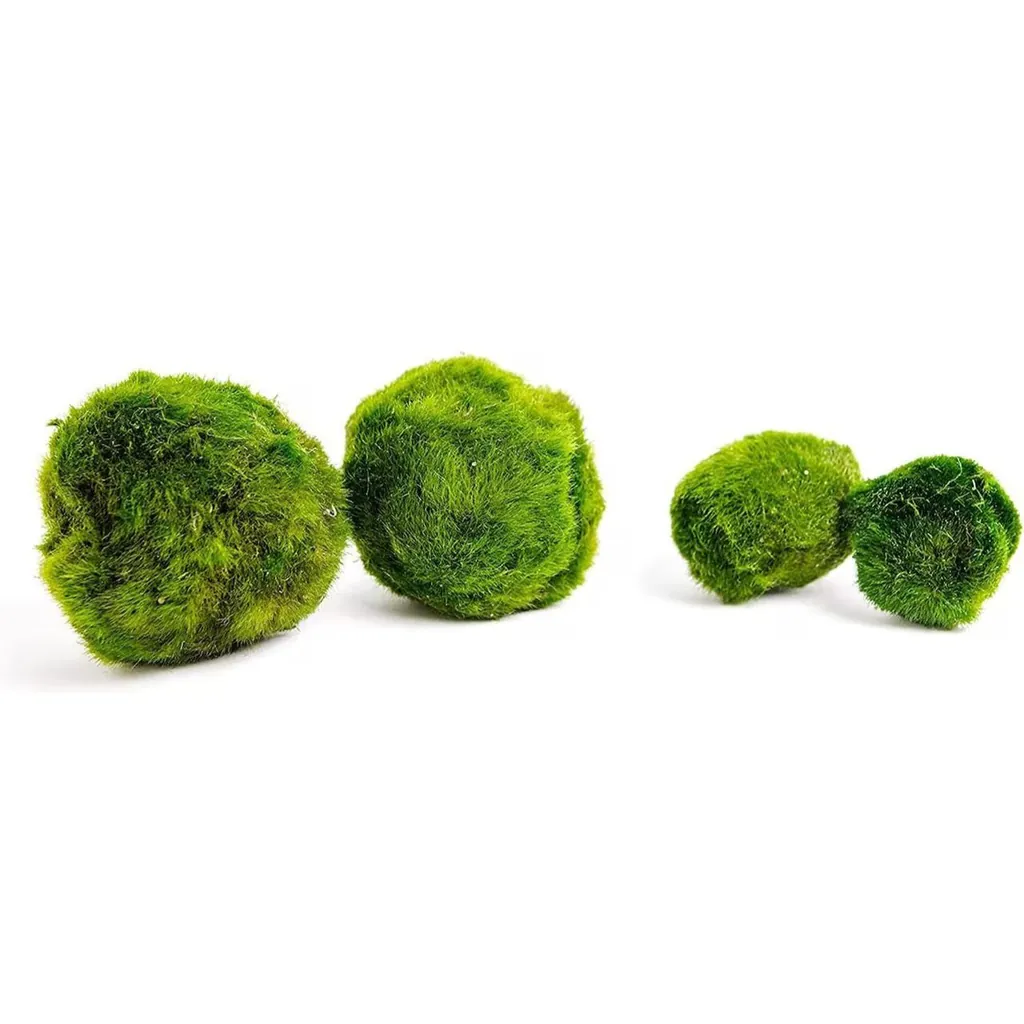





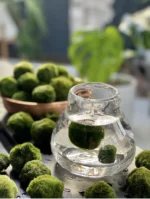

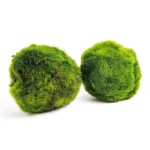
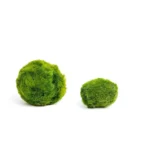


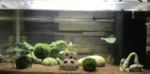
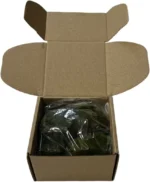
Marimo Moss Ball – Aquarium Moss Ball 4–5 cm (1.6–2.0 in)
Price range: 20.63 $ through 1237.34 $ Exc. Tax
Healthy Marimo Moss Ball 4–5 cm (1.6–2.0 in) provides natural biofiltration and biofilm grazing for shrimp tanks. Includes free shipping within 10–30 business days.
Marimo Moss Ball 4–5 cm Physical Characteristics and Natural Growth
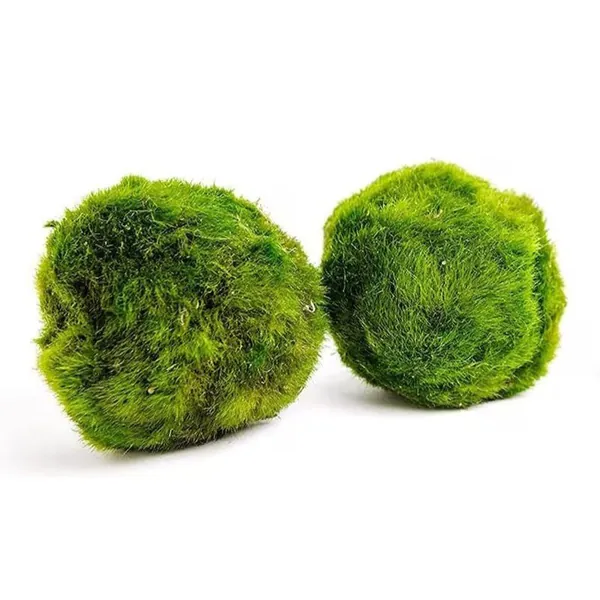
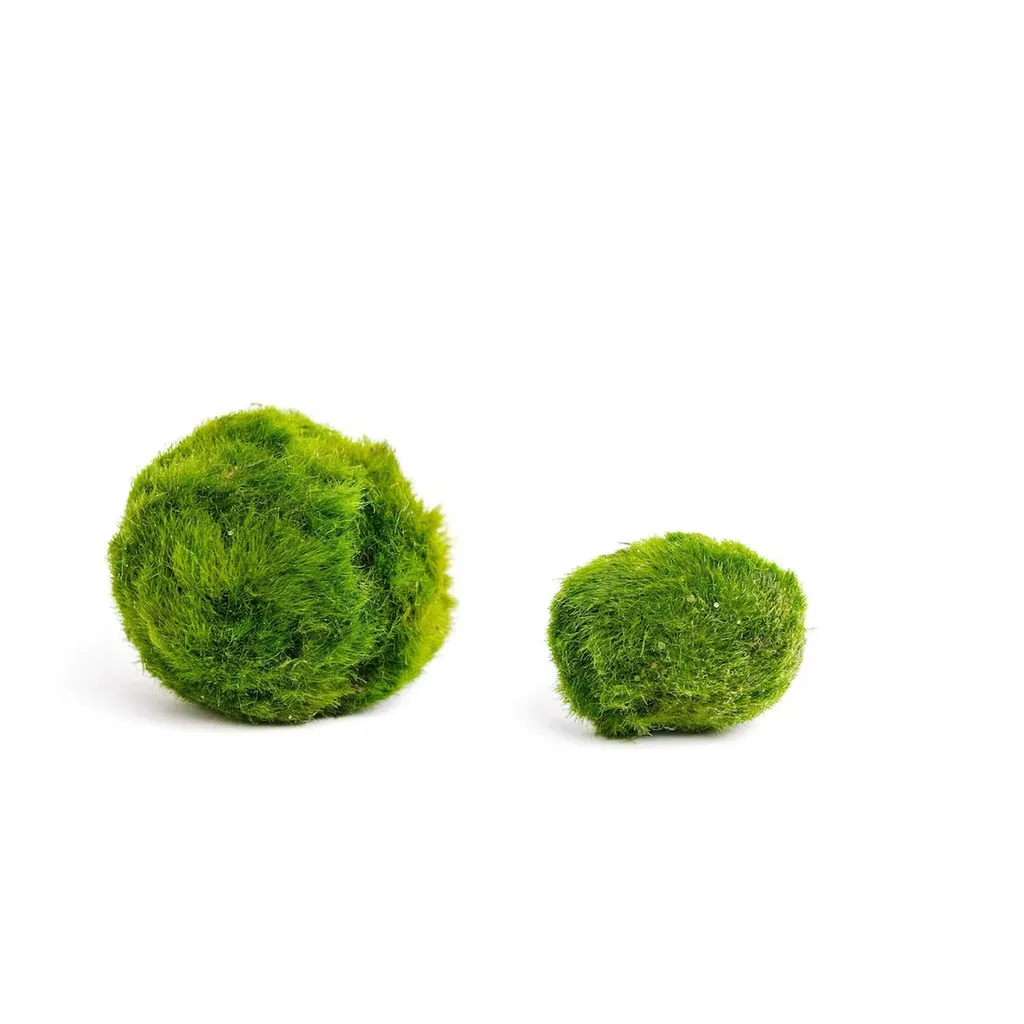
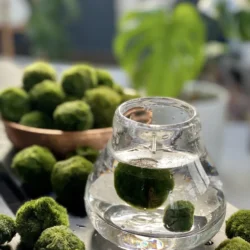
The Marimo Moss Ball 4–5 cm (1.6–2.0 in) consists of dense, interwoven strands of filamentous green algae belonging to the botanical species Aegagropila linnaei. Unlike typical freshwater vascular plants, this organism does not develop roots, stems, leaves, or vascular tissue. Instead, radial growth extends from a centralized core outward in all directions, creating a firm, velvet-textured sphere. The deep green coloration stems from high concentrations of chlorophyll throughout the filamentous structure, allowing photosynthesis across the entire exposed surface.
Wild colonies develop this spherical architecture over extended periods under the continuous influence of gentle water currents along sandy lake beds. A specimen measuring 4–5 cm (1.6–2.0 in) represents several years of steady development, as Aegagropila linnaei typically expands by roughly 2 to 5 mm (0.08 to 0.20 in) annually. Because every filament remains photosynthetically active, the sphere survives in subdued aquatic environments where typical rooted stems fail to thrive.
Biological Filtration and Tank Ecosystem Functions
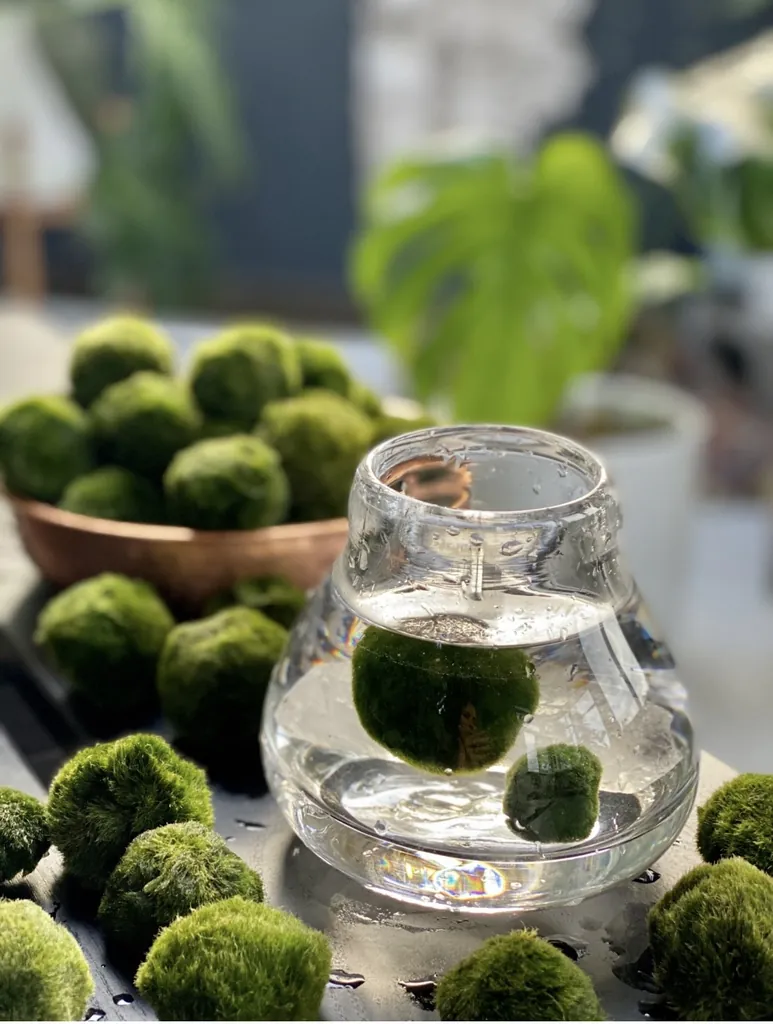
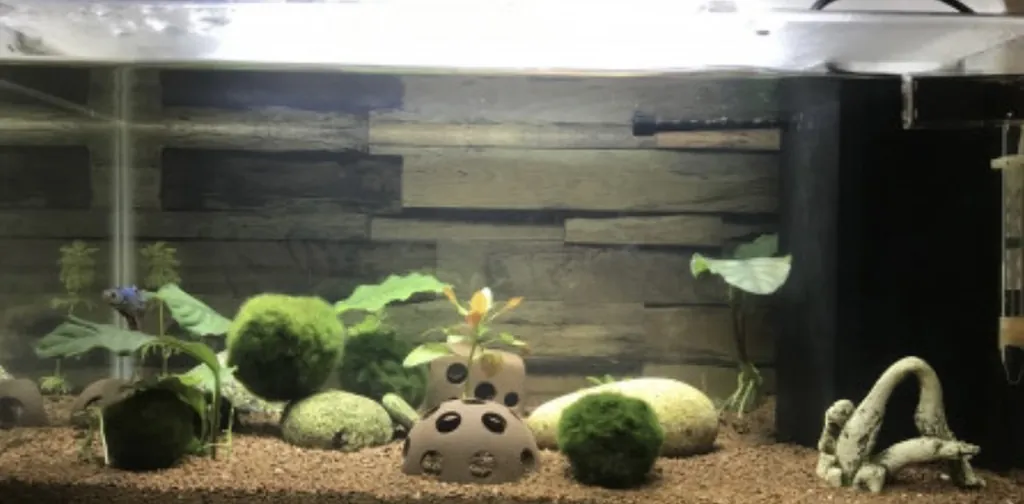
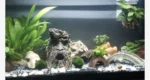
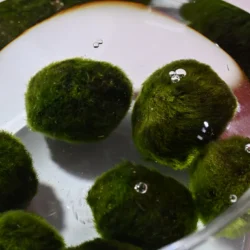
Integrating living algae spheres into an established freshwater tank enhances biological stability through continuous nutrient assimilation. The fibrous interior and exterior filaments absorb nitrates, phosphates, and ammonium directly from the water column, competing against nuisance filamentous microalgae. During active photoperiods, the organism generates microscopic oxygen bubbles that remain trapped across its outer surface, steadily aerating the bottom layers of the aquarium.
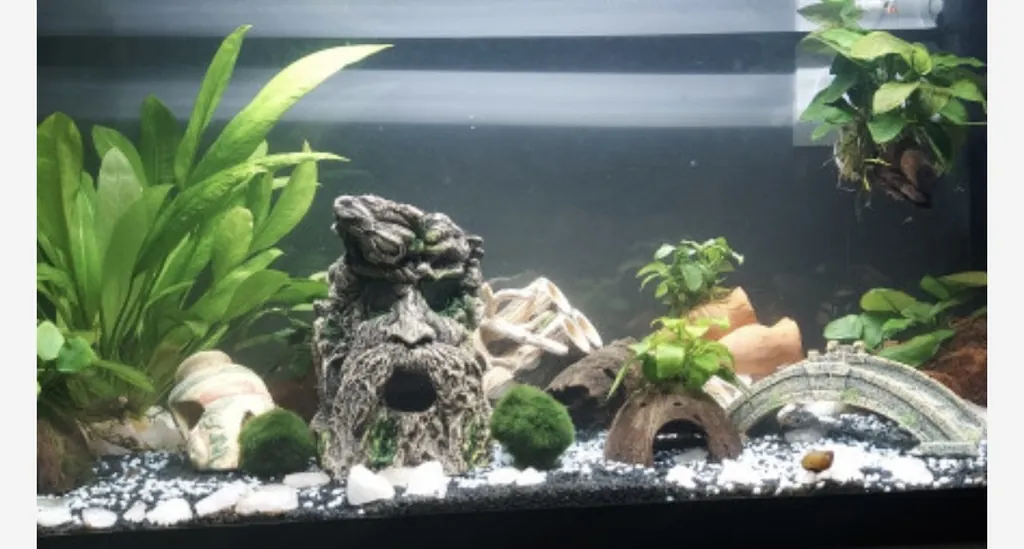
For freshwater shrimp species such as Neocaridina and Caridina, the dense exterior carpet acts as a continuous mechanical trap for microscopic particulate matter. Beneficial biofilm, infusoria, and bacterial colonies populate the gaps between the green filaments, supplying grazing grounds for juvenile shrimp and ornamental snails. The dense structural body also provides physical refuge for small aquatic invertebrates without deteriorating or releasing organic debris into the substrate.
Aquarium Care Guidelines and Water Parameters
Cultivating these botanical spheres requires minimal intervention compared to demanding stem species. They require low to moderate indirect lighting; exposure to intense direct illumination can scorch the outer filaments and cause brownish discoloration. Water temperatures between 59°F and 75°F (15°C and 24°C) provide baseline metabolic conditions, though specimens tolerate brief fluctuations without structural compromise.
Routine aquarium maintenance should include rotating the spheres every two to three weeks to expose all sides to ambient tank lighting. Occasional manual cleaning ensures long-term vigor: gently remove each ball during standard water changes and squeeze it in a container of removed aquarium water to expel trapped detritus.
- Scientific Classification: Aegagropila linnaei (filamentous green macroalgae)
- Diameter Range: 4–5 cm (1.6–2.0 in)
- Substrate Requirement: None; rests unanchored directly on gravel, sand, or hardscape
- Lighting Requirement: Low to moderate indirect light (0.25 to 0.5 watts per liter)
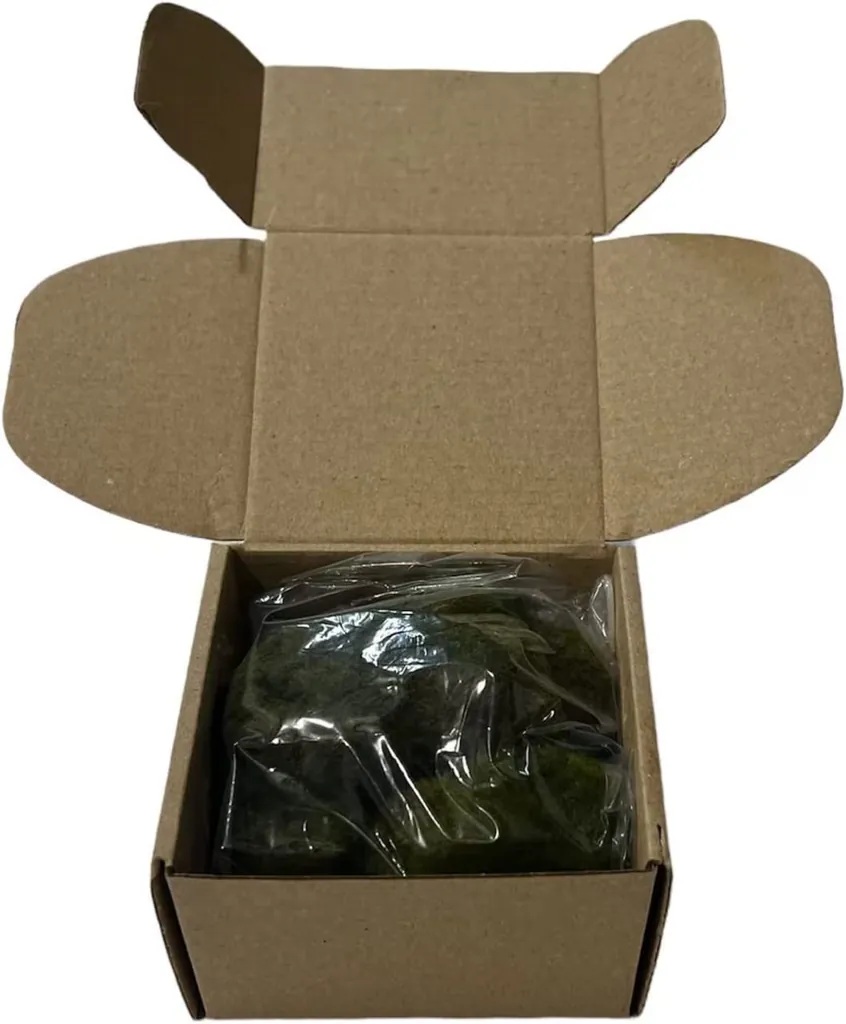
- Delivery Terms: Free shipping within 10–30 business days
| Parameter | Target Range |
|---|---|
| Temperature | 59°F – 75°F (15°C – 24°C) |
| pH Range | 6.5 – 7.8 |
| General Hardness (GH) | 3 – 12 dGH |
| Growth Rate | 2–5 mm (0.08–0.20 in) per year |
| Placement | Foreground, midground, or unattached tank floor |
| Number of balls | 1 Stk., 10 Stk., 100 Stk., 1000 Stk., 20 Stk., 3 Stk., 5 Stk., 50 Stk., 500 Stk. |
|---|
Related products
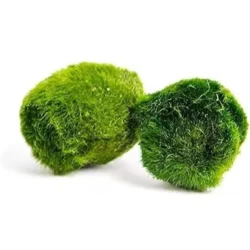
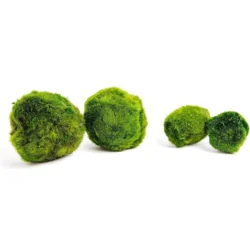
Marimo Moss Ball 2–3 cm (1 in) Aegagropila linnaei
Price range: 0.64 $ through 709.34 $ Exc. Tax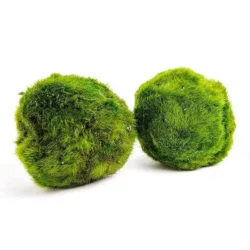

Marimo Moss Ball Aquarium – Aegagropila linnaei 3–4 cm (1.2–1.6 in)
Price range: 17.99 $ through 874.34 $ Exc. Tax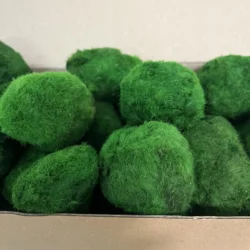
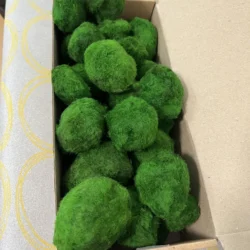
Stabilized Cladophora Moss Balls
Price range: 82.34 $ through 164.84 $ Exc. Tax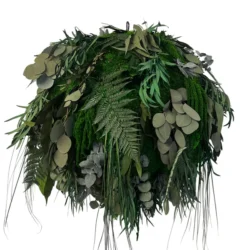
Decorative Plant Sphere
Price range: 461.84 $ through 1864.34 $ Exc. Tax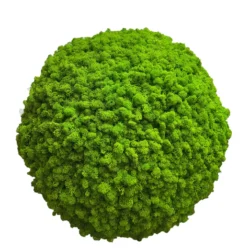
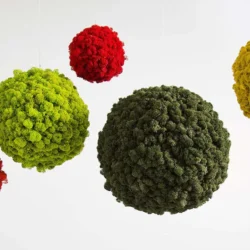
Moss Ball with Reindeer Moss
Price range: 164.84 $ through 1649.84 $ Exc. Tax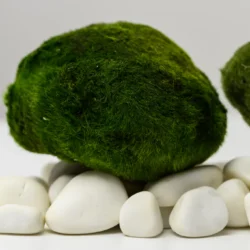
XXL Marimo Moss Balls 7-10 cm
Price range: 24.73 $ through 824.84 $ Exc. Tax
Marimo Moss Balls for Aquarium 5–7 cm (2.0–2.8 in)
Price range: 22.75 $ through 329.84 $ Exc. Tax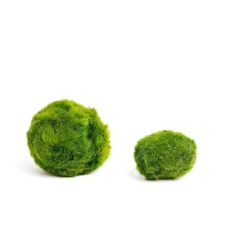
Reviews
Clear filtersThere are no reviews yet.